


Counseling
Child Counseling Charlotte, NC
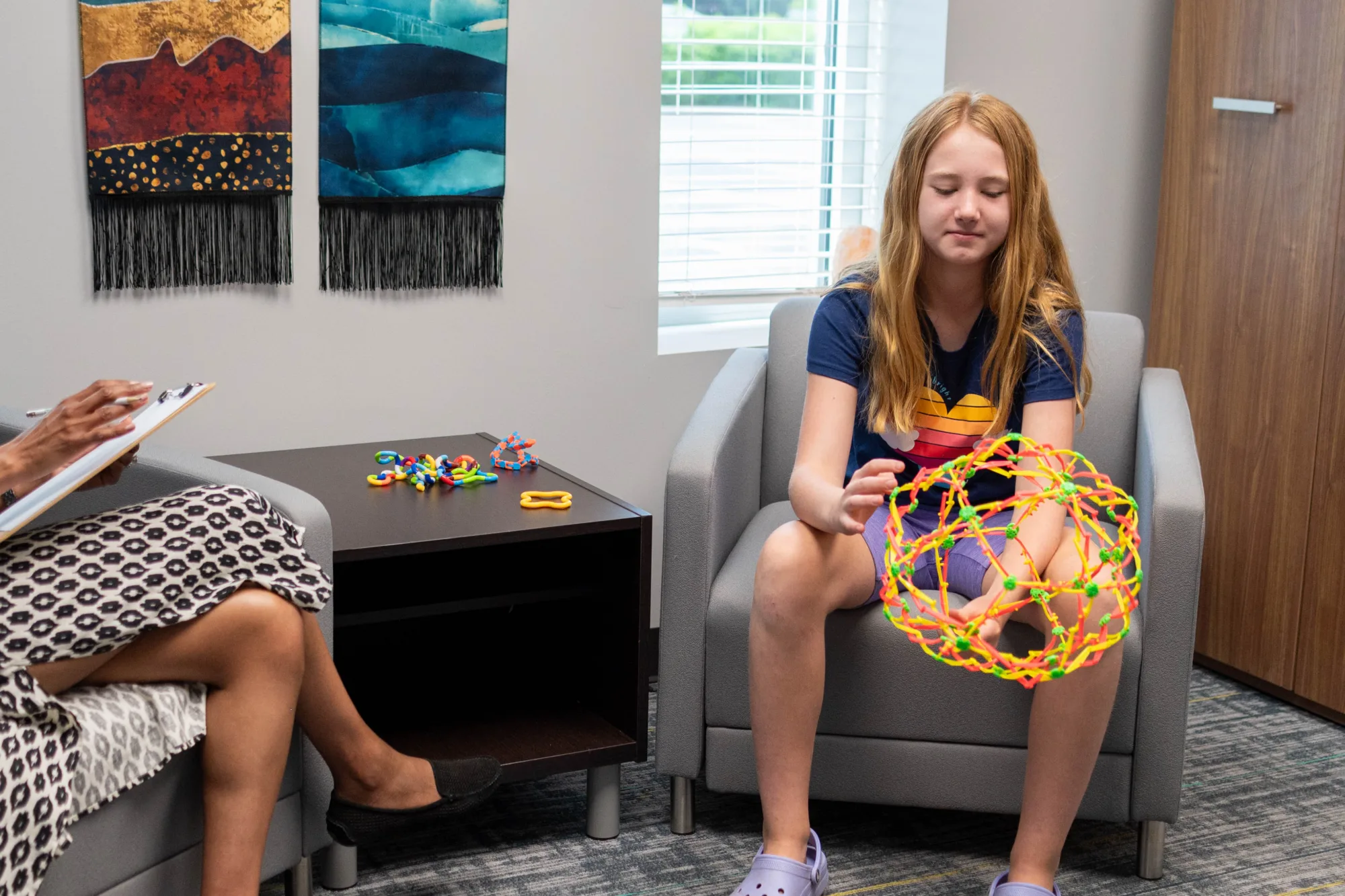
Counselors provide ongoing therapy services to preschoolers through young adults to address concerns related to mood, behavior, and social skills. In children and adolescents, playing, drawing, building, and pretending, as well as talking, are important ways of sharing feelings and resolving problems.



Who it's for
We help kids, adolescents and young adults with difficulties, including but not limited to:
Behavioral Issues in Children
Family conflict and improving communication
Coping with a separation, divorce, or major life transition
Building self-esteem and social skills in teens
Emotional regulation and managing mood swings
Support for grief and loss
Peer relationships
School-related difficulties





Why Choose Counseling?
Life often presents challenges that can feel overwhelming for both children and parents. Emotional struggles, behavioral issues, or changes like a family relocation or a divorce can significantly impact a family’s harmony. That’s where counseling comes in. At Child & Family Development, we believe that early intervention and professional support can make a world of difference in overcoming these hurdles.
Our team is here to help families like yours:
- Improve family communication and strengthen relationships.
- Manage behavioral challenges with effective, proven strategies.
- Navigate stressful life transitions and crises with greater resilience.
- Boost emotional health and well-being for both children and parents.
If you’re feeling stuck, know that our team is here to support you every step of the way.
Who We Support
Our counseling services are tailored to meet the unique needs of children, adolescents, and young adults. Whether it’s addressing concerns related to mood, behavior, or social skills, we’re equipped to guide your family toward resolution and healing.
Preschoolers & Elementary-Aged Children
Young children process the world differently. Activities like playing, drawing, building, and pretending are powerful tools for them to communicate their emotions and work through challenges. Our counselors incorporate these techniques into therapy to make it accessible, engaging, and effective for little ones.
Adolescents & Teenagers
The teenage years can be a tumultuous period filled with many emotional ups and downs. Our counseling services help teens build self-confidence, manage stress, and improve their social and emotional skills. We also provide support for common struggles like anxiety, depression, bullying, and academic pressures.
Young Adults
Transitioning into adulthood comes with its own set of challenges. Whether it’s preparing for college, starting their career, or navigating new relationships, our counselors help young adults develop self-awareness, solid coping strategies, and the skills needed to succeed in a rapidly changing world.
How We Work
Our team of experienced psychologists and counselors work closely with children, adolescents, and their families. Combining expertise with compassion, we create personalized counseling strategies that address your family’s specific needs. Here’s what you can expect when you choose Child & Family Development:
Qualified and Experienced Team
All of our professionals hold master’s or doctoral degrees and are licensed in the state of North Carolina. With extensive backgrounds working in hospitals, schools, and community centers, we bring the knowledge and expertise required to guide families through any challenge.
A Safe and Supportive Environment
We offer a judgment-free, supportive space where children, teens, and parents feel comfortable expressing their concerns. Open communication is essential to healing, and our team fosters a welcoming environment to encourage honest conversations.
Strengths-Based Approach
Every child and family is unique. That’s why we focus on leveraging strengths while addressing specific challenges. Our goal is to empower families to build on what is already working while finding solutions to what isn’t.
Evidence-Based Techniques
Our counselors use evidence-based methods, including cognitive behavioral therapy (CBT), play therapy, and solution-focused techniques, to achieve positive, lasting results.
Tailored Counseling Plans
Because no two families are the same, cookie-cutter solutions don’t work. We take the time to get to know your family dynamics and develop individualized plans that suit your unique situation, goals, and values.
The Benefits of Counseling
Choosing counseling for your family isn’t just about resolving immediate issues; it’s about creating a foundation for lasting well-being and happiness. Here are some of the key benefits you can expect when working with us:
Improved Family Communication
Learn how to express emotions constructively, resolve conflicts effectively, and deepen relationships within your household.
Effective Behavioral Management
Gain strategies to address and manage disruptive behaviors in a way that fosters understanding rather than conflict.
Support During Transitions
Life changes like a relocation, welcoming a new sibling, or dealing with loss can be hard to process. Counseling offers meaningful support during these transitions.
Enhanced Emotional Health
Therapy gives children and parents alike the tools to process their emotions, regulate stress, and improve overall well-being.
A Tailored Approach for Your Family
No one-size-fits-all solutions here. Every strategy is personalized to meet the unique needs of your family.
A Path Toward Healing
A safe space to work through sensitive or difficult emotions can be the first step toward healing and rebuilding trust and connection.
Play Therapy
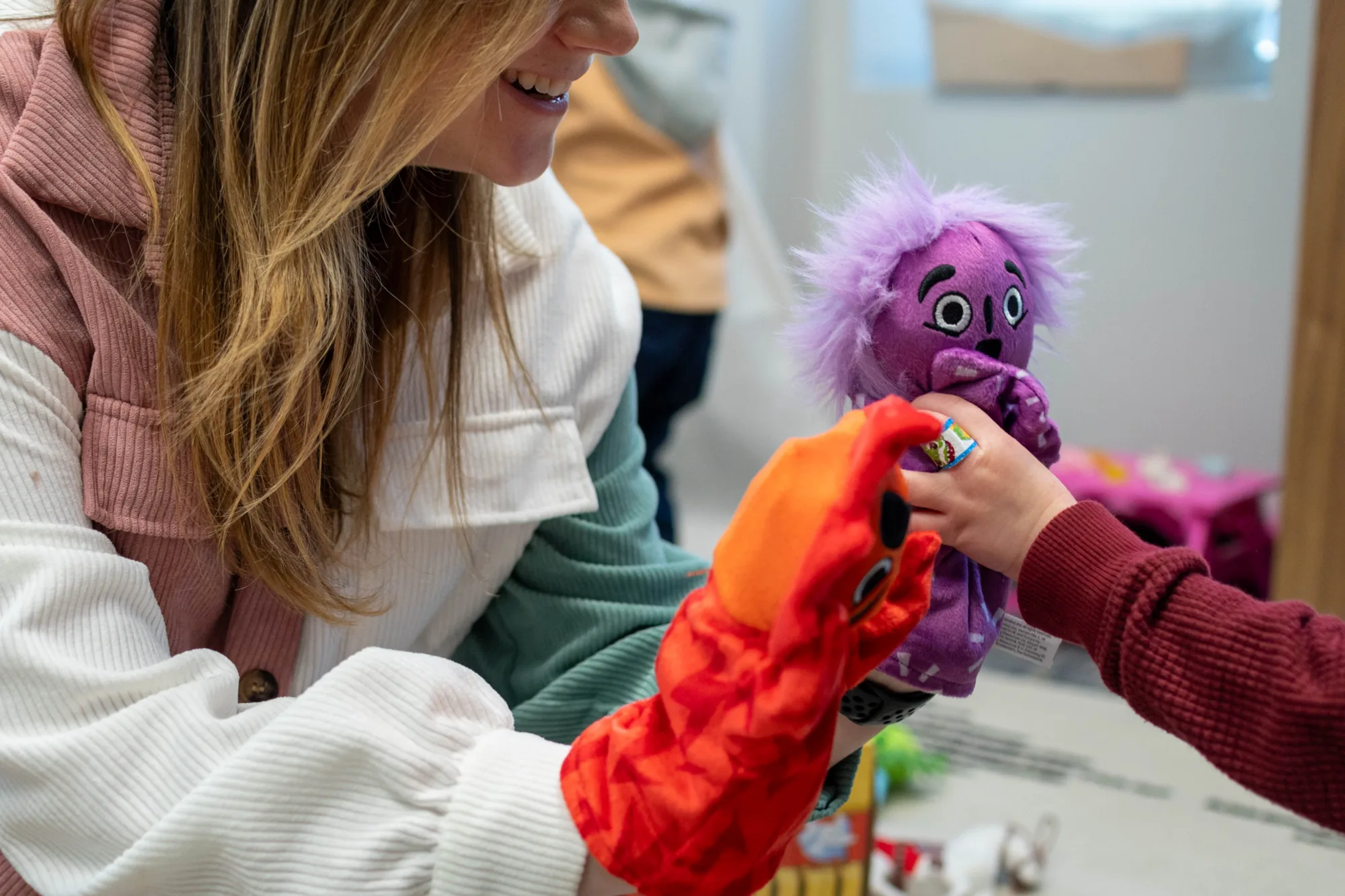
During play therapy a licensed mental health clinician who has received special training in counseling with young children will use specially chosen toys to provide children a safe space to communicate and understand their underlying emotional needs in a way that is meaningful to them.
Skilled intervention techniques
Individual Counseling
Counselors provide ongoing therapy services to preschoolers through young adults to address concerns related to mood, behavior, and social skills. In children and adolescents, playing, drawing, building, and pretending, as well as talking, are important ways of sharing feelings and resolving problems.
Play Therapy
During play therapy a licensed mental health clinician who has received special training in counseling with young children will use specially chosen toys to provide children a safe space to communicate and understand their underlying emotional needs in a way that is meaningful to them.
Group therapy
Social skills are the tools that enable people to communicate, learn, ask for help, get needs met in appropriate ways, get along with others, make friends, develop healthy relationships, and protect themselves. Children or adolescents who have difficulty forming age-appropriate friendships, demonstrate avoidance of social situations, or impulsive or aggressive behaviors that interfere with successful social functioning may benefit from participation.
Mindfulness means maintaining a moment-by-moment awareness of our thoughts, feelings, bodily sensations, and surrounding environment. When we practice mindfulness, our thoughts tune into what we’re sensing in the present moment rather than rehashing the past or imagining the future. Emotional self-regulation or regulation of emotion is the ability to respond to the ongoing demands of experience with the range of emotions in a manner that is socially tolerable and sufficiently flexible to permit spontaneous reactions as well as the ability to delay spontaneous reactions as needed.
Questions from Parents
How do therapy sessions for children work?
Therapy sessions are engaging, age-appropriate, and tailored to each child’s needs. Techniques may include play therapy, cognitive-behavioral therapy (CBT), social skills training, and problem-solving exercises. Therapy provides a safe and supportive space for children to practice coping strategies, build emotional regulation skills, and develop confidence in social and academic settings. Sessions can also involve parent guidance and collaboration to reinforce skills at home and school.
What kind of goals can be addressed in counseling?
If you notice ongoing changes in mood, behavior, sleep, school performance, or social interactions, counseling can help identify and address underlying issues. Common concerns include anxiety, depression, ADHD, autism spectrum disorder, behavioral challenges, social skills, grief, trauma, and family transitions.
Will I be involved in my child’s counseling sessions?
Parent involvement varies by age and goals. For younger children, parents are often active participants, possibly attending joint sessions or coaching in addressing emotional or behavioral concerns of their child. For teens, sessions may be primarily individual with periodic parent check-ins. Therapists maintain confidentiality but share general themes, skills, and safety concerns. For teens, privacy helps build trust, but parents are updated on progress and major concerns. Therapists will share strategies or “home practice” ideas within treatment.
How does Occupational Therapy and Play Therapy differ?
Occupational therapy (OT) and play therapy can look similar because both use play-based activities, but they serve different goals. OT can help build functional skills, such as fine and gross motor coordination, sensory regulation, handwriting, attention, and self-care. OTs focus on improving how the body and brain work together to complete everyday tasks. On the other hand, Play Therapy uses play as a therapeutic language to help children express feelings, process experiences, and build emotional and social skills. Play becomes the way children communicate and work through challenges with the therapist. Both services can complement each other — a child might see an occupational therapist for motor or sensory support and a play therapist for emotional or behavioral growth.
Our team

All of our team hold Master’s or doctoral degrees and are licensed in the state of NC. They have worked in hospitals, schools, and community centers.



Tiara Glenn
LCMHCA
Pineville

Darius Hampton
LCMHCA
Pineville

Faith Houck-Wylie
LCMHCA
Midtown

Natalie Holland
LCMHCA
Pineville

Missy Lloyd
LCMHC
Pineville

Mary Moore
LCMHCA
Midtown

Marium Sadiq
LCMHC
Midtown



Insurance for Psychological Services
· Aetna
· Aetna State Health Plan
· Blue Cross Blue Shield of NC
· Medcost
· Will file with out-of-network plans
Free Consultation
Your first step: Schedule a free consultation to talk with an expert. At Child & Family Development, we know that reaching out for help can sometimes feel overwhelming. But you don’t have to go through this alone. If your family is experiencing challenges, we are here to guide you toward resolution and growth.