



Occupational Therapy
We provide services to children, teens and young adults with developmental, neurological and congenital impairments. Services can be habilitative (learning a skill for the first time) or rehabilitative (becoming more proficient at a skill or relearning a skill).
Therapy visits focus on helping kids with everyday activities, staying organized and focused in the classroom or playground, managing sensory input and their own behaviors, as well as stretching and strengthening their muscles.


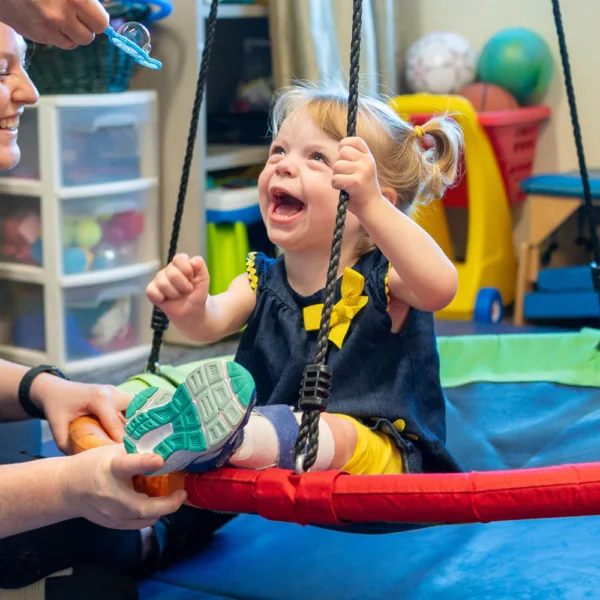
Who it's for
If you notice difficulties in one or more of these areas, an evaluation and treatment may be appropriate:
Developmental Skill Acquisition
Delayed motor or self-care skills
Feeding
Motor Planning
Sensory Processing
Learn MoreVisual Perception




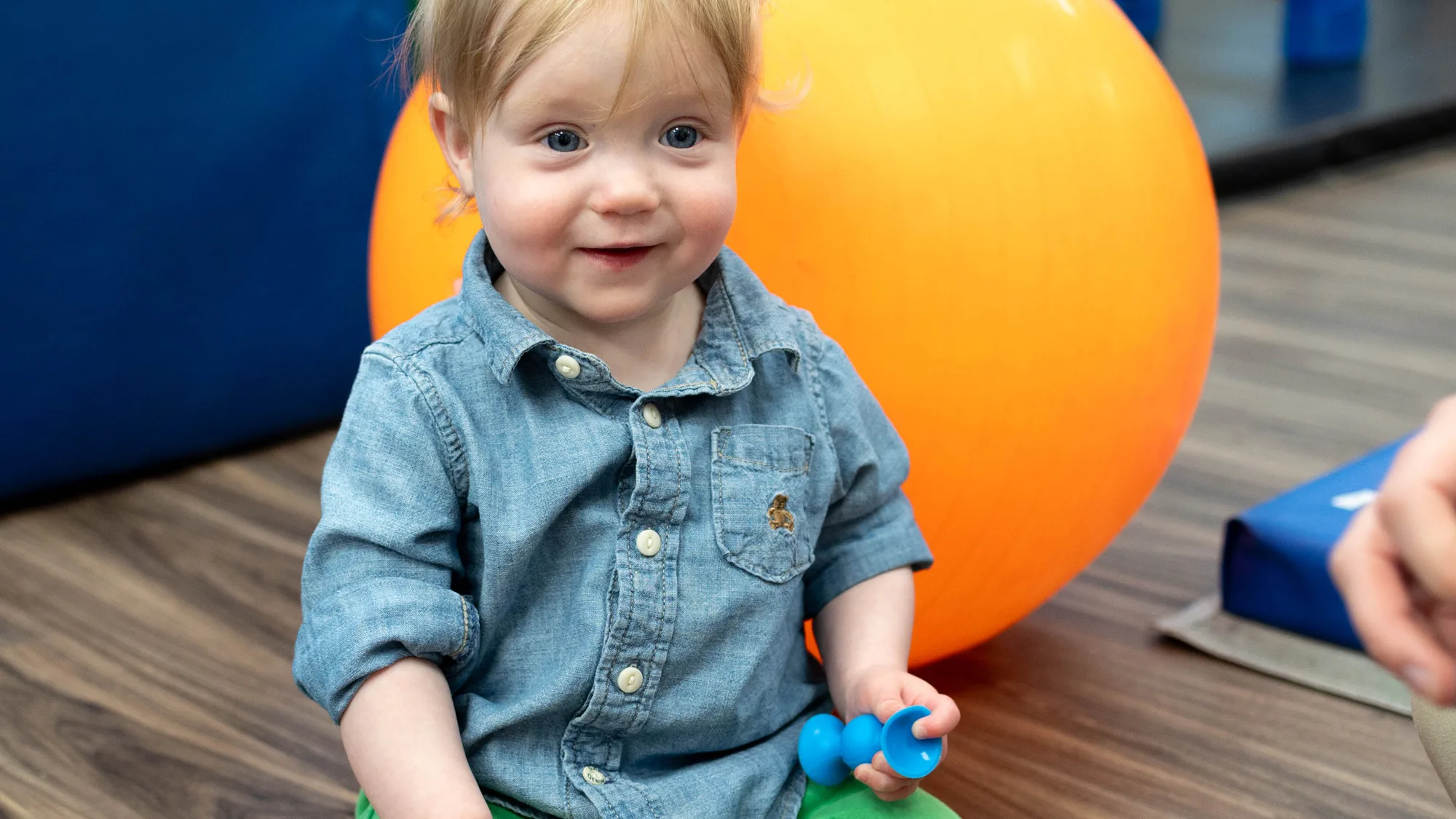



How we address it
Constraint Induced Movement Therapy
Craniosacral Treatment (CST)
Feeding Groups
Handwriting Without Tears® (HWT)
Intensive Therapy Program
Kinesiotaping
Multidisciplinary Feeding Clinic
Neuro-Developmental Treatment™ (NDT)
Neuromuscular Electrical Stimulation (NMES)
Pelvic Floor Dysfunction Therapy
Learn MoreSaebo® Arm Training Program
Sensory Integration
Sequential Oral Sensory Approach™ (SOS) to feeding
Therapeutic Listening®
Total Motion Release® (TMR)
Visual Processing
Zones of Regulation
Skilled intervention techniques
In their own words




Questions from Parents
What is occupational therapy? My child doesn’t have an occupation.
Occupational Therapy (OT) for children is all about helping kids most effectively engage in daily activities, that are meaningful to them, these are deemed ‘occupations. For children, occupations are generally based in daily self-care skills, accessing academics, and engaging in play. Our job as pediatric OTs is to help children develop the skills they need to succeed in these activities.
Does my child need a diagnosis to benefit from occupational therapy?
Not at all. Many children who benefit from OT don’t have a formal diagnosis. Occupational therapy can help kids who are struggling with things like motor skills, sensory challenges, coordination, self-care, or emotional regulation—regardless of whether there’s a label attached.
We work with children who may have:
- Developmental delays
- Sensory processing differences
- Autism Spectrum Disorder (ASD)
- ADHD
- Fine or gross motor delays
- Cerebral Palsy or neurological conditions
- Feeding or picky eating concerns (including ARFID)
- Handwriting challenges
- Toileting or pelvic floor difficulties
- Emotional or behavioral regulation struggles
Because every child is unique, we create individualized therapy plans that focus on their strengths, needs, and goals.
Why does occupational therapy focus on sensory processing?
Assessment and intervention within OT builds upon different levels of skills, It’s not just about reaching a specific result, but rather supporting a child’s development step by step, each level of growth contributing to the next.
Sensory processing is how your child’s brain understands and responds to information from their senses—things like sound, touch, movement, or body awareness. If a child has trouble processing this input (maybe they’re very sensitive, or maybe they don’t notice input as much), it can affect everything from focusing in school to playing with friends to learning new skills.
Think of sensory processing as the foundation for development:
- First level: Regulation of sensory input (staying calm, alert, and ready to learn).
- Next level: Motor skills like coordination, balance, and planning movements.
- Then: Perception and cognition—being able to focus, problem-solve, and interact.
- Finally: Independence—successfully using all of these skills to take care of daily tasks.
When we address sensory processing in OT, we’re building the strong foundation your child needs for learning, playing, and thriving in everyday life.
What makes occupational therapy different from other therapies?
In a multidisciplinary team approach (speech, physical therapy, counseling, etc.), every therapy plays a unique role. Occupational therapy is often the “bridge” that helps connect those skills together so children can use them in real life.
For example:
- OT helps a child develop self-regulation so they can engage better in speech therapy.
- OT builds body awareness and coordination that supports progress in physical therapy.
- OT addresses sensory processing so children can fully participate in play, school, or counseling.
- OT focuses on daily life skills—like dressing, eating, handwriting, and social interaction—so kids can apply what they’re learning across all therapies.
In short, occupational therapy is about the “how”—how your child uses all their developing skills to confidently take part in home, school, and community life.
- OT addresses sensory processing to engage in play or communication utilized as the therapeutic medium in counseling services,
- OT develops executive functioning and cognitive organizational skills to follow instructions in educational intervention
Our team

All of our occupational therapists are licensed by the state of North Carolina.



Mallory Barkes
OTR/L
Midown

Peri Beatty
OTR/L
Pineville

Eliza Heider
OTR/L
Midtown
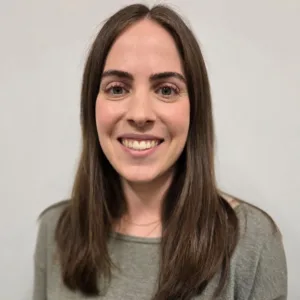
Caroline Crilly
OTR/L
Midtown

Sophia Evatt
OTD, OTR/L
Pineville

Kati Kendrick
OTR/L
Pineville

Emily Ford
OTD, OTR/L
Midtown
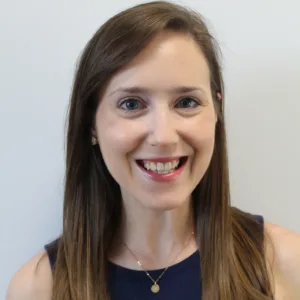
Meghan Davidson-Palmer
MS, OTR/L
Pineville

Danielle Peets
OTR/L
Pineville

Amontae Perkins
OTR/L
Midtown

Caroline Ward
OTR/L
Pineville

Marion Wilm
OTR/L, C/NDT
Pineville
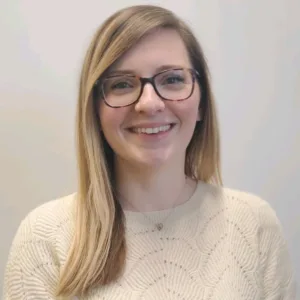
Anne Wood
OTR/L
Pineville
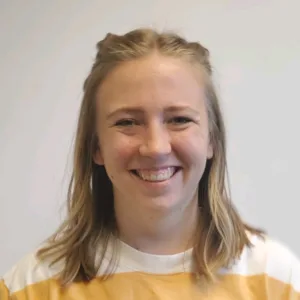
Kathryn Wright
OTR/L
Midtown



Insurance for Occupational Therapy
We accept Aetna, Blue Cross Blue Shield of NC, Cigna, UnitedHealthcare, MedCost, and NC Medicaid for occupational therapy in Charlotte. See all insurance details.
Aetna
Aetna State Health Plan
Blue Cross Blue Shield of NC
Cigna
Medcost
NC Medicaid Direct
Amerihealth Caritas NC
Alliance NC
Carolina Complete Health NC
Healthy Blue NC
Partners NC
United Healthcare
Will file with most commercial out-of-network plans
Free Consultation
Your first step: Schedule a free consultation with an Occupational Therapist to talk with an expert.