


The Power of Visual Schedules: A Guide to Enhancing Client Engagement and Reducing Anxiety
Sydney Alencewicz, RBT and Julia Monash, RBT
If you’re looking for an effective way to structure activities, reduce anxiety, and promote independence for young children, visual schedules might just be the tool you’re looking for. Simple but powerful, these schedules are a game-changer for both young children and exceptional children who benefit from visual cues to help them navigate their day.
What Are Visual Schedules?
A visual schedule is a picture or written list that shows the order of activities or events that will happen throughout a session or day. It’s a way to visually map out a sequence, helping children understand what’s next in a simple and digestible format.
Why Do Visual Schedules Work?
Visual schedules are more than just tools for organization, they are powerful aids in creating structure and predictability, which can be particularly beneficial in managing anxiety and transitions. Here’s why they work so well:
- Promotes Predictability: By showing what comes next, visual schedules eliminate the guesswork which helps children feel more secure and in control. Predictability can reduce anxiety, especially for children who struggle with transitions or the unknown.
- Reduces Anxiety: Knowing what to expect is key in calming nerves. Visual schedules prepare children for upcoming activities and transitions, making it easier to cope with changes.
- Helps with Transitions: Transitioning from one activity to another, especially from something preferred to something less enjoyable, can be challenging. A visual schedule provides a clear roadmap for what’s next, which can ease these transitions.
- Encourages Independence: With a visual schedule, children can learn to follow their own agendas and make choices about activities. This sense of autonomy can be empowering and encouraging.
- Choice and Flexibility: Children can be given the power to choose their activities, adding a layer of flexibility to the schedule while maintaining structure. This can be especially helpful in promoting engagement and motivation.
How to Incorporate Visual Schedules into Your Routine
The key to an effective visual schedule is clarity. When you introduce a visual schedule, you want to start with something simple and gradually increase complexity based on the client’s needs and abilities. Whether you’re using visual schedules in a classroom, therapy setting, or at home, here are some practical steps to successfully integrate them:
- Start Small: Begin with a basic “First-Then” board. For example, you might show a picture of the first activity (“Play with toys”) followed by a picture of the second activity (“Snack time”). This simple setup helps the client understand what’s coming next without feeling overwhelmed.
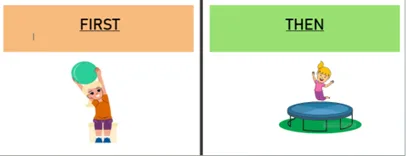
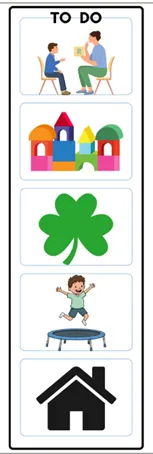
- Use Pictures for Younger Children: For younger children who can’t read yet, opt for images that clearly represent the activities. You can use symbols, photographs, or drawings that the client can easily recognize and relate to.
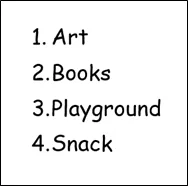
- For Children Who Can Read: If the client is able to read, you can use written words or a combination of words and pictures. This mix of visual and written cues can help reinforce understanding and support literacy development.
- Place the Schedule in Close Proximity: Always keep the visual schedule within the child’s view. Placing it too far away can lead to confusion or disinterest, especially for children who rely heavily on these cues to stay on track.
- Keep It Simple and Consistent: The goal is to provide clarity, not to overwhelm. Keep the design simple and consistent across sessions or days. If the schedule looks too cluttered or changes constantly, it may defeat the purpose of providing stability.
Examples of How Visual Schedules Can Be Used
- Classrooms: Teachers can use visual schedules to show the flow of the school day, from morning activities to snack time, lessons, recess, and dismissal. This helps students understand what to expect, especially when transitions are involved.
- Therapy Sessions: Therapists can use visual schedules to help exceptional children follow through with therapy activities, such as speech therapy or occupational therapy exercises. It can also help during transitions between activities that may otherwise be difficult.
- Home and Daily Routines: Parents can use visual schedules to outline a child’s daily routine, whether that includes getting ready for school, doing homework, or preparing for bed. This structure can help children manage their time and understand what’s expected of them.
Final Tips for Success
- Stay Consistent: Once you’ve introduced the visual schedule, use it consistently. Repetition and familiarity will help children become more comfortable with the routine.
- Gradually Increase Complexity: As the child becomes more familiar with visual schedules, you can introduce new elements, such as more complex pictures or additional activities.
- Incorporate Flexibility: While the structure is important, remember that you can also add flexibility. For example, allowing children to choose from a set of activities on their schedule can add a layer of autonomy and engagement.
Visual schedules are incredibly effective tools for reducing anxiety, promoting independence, and helping children engage with their daily activities in a structured and predictable way. By starting small, using simple visuals, and gradually increasing complexity, you can create an environment where children feel empowered and ready to navigate their day with confidence. Keep it simple, keep it consistent, and most importantly, make it work for the unique needs of the client.
Resources: