Posture in Pre-Teens: Understanding Your Child’s Posture
As children enter their pre-teen years, many parents begin to notice changes in posture. Slouching, rounded shoulders, and a forward head position are increasingly common concerns. While occasional poor posture is normal, persistent postural habits can lead to discomfort and other issues over time. Understanding why posture changes occur and knowing when to seek help can make a significant difference in your child’s overall health and confidence.
Why Does My Pre-Teen Slouch?
Several factors can contribute to postural changes during the pre-teen years, including:
- Rapid growth spurts that affect muscle length and strength
- Increased screen time on phones, tablets, computers, and gaming systems
- Greater academic demands and time spent sitting for schoolwork
- Decreased participation in physical activity
- Nutritional factors that may impact muscle and joint health
As society continues to become more technology-driven, children are spending more time sitting and less time moving. This lifestyle shift can contribute to muscle weakness, tightness, and poor postural habits. It is important to note that not all postural concerns are caused by lifestyle factors. In some cases, posture changes may result from structural abnormalities. If you suspect your child’s posture may have a structural cause, consult your pediatrician or primary care provider for further evaluation.
What Are the Side Effects of Poor Posture?
When poor posture becomes a long-term habit, it can lead to a variety of physical symptoms, including:
- Neck pain
- Mid and lower back pain
- Headaches
- Tightness in the neck, shoulders, hips, and back
- Weakness in the neck, trunk, and hip muscles
- Reduced spinal mobility
Over time, chronic postural dysfunction may contribute to increased wear and tear on the spine and potentially lead to arthritic changes later in adulthood.
These physical effects can impact your child’s daily life through:
- Consistent or intermittent pain
- Reduced athletic performance
- Difficulty standing for extended periods
- Decreased sitting tolerance
- Reduced self-confidence
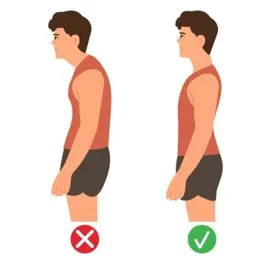
What Does Poor Posture Look Like?
Common signs of poor posture include:
- A forward head position
- Rounded shoulders
- A slouched appearance while sitting or standing
- Difficulty maintaining an upright posture
- By contrast, good posture typically involves:
- An upright head position
- Shoulders gently pulled back and relaxed
- Proper spinal alignment
- An overall tall, confident stance
How Can Physical Therapy Help?
A pediatric physical therapist can help identify the underlying causes of postural concerns and provide individualized treatment to address them. Physical therapy may include:
- Identifying the root cause of postural abnormalities
- Education on the long-term effects of poor posture
- Training on simple methods to improve posture throughout the day
- Targeted exercises to address weakness, tightness, and muscle imbalances
- Instruction on proper body mechanics for lifting, squatting, and daily activities
- Development of a customized home exercise program
The goal is not simply to “sit up straight,” but to build the strength, flexibility, and awareness needed to maintain healthy posture naturally.
Helping Your Child Develop Healthy Posture Habits
Parents play an important role in supporting healthy postural habits. Some simple strategies include:
Encourage Postural Awareness
- Help your child periodically “check in” with their body throughout the day and make small corrections when needed.
Address Contributing Factors
- Consider making environmental adjustments such as:
- Raising screens to eye level
- Reducing backpack weight
- Encouraging standing and movement breaks
- Limiting prolonged sitting when possible
Keep Your Child Moving
- Movement is medicine. Regular stretching, strengthening activities, sports participation, and even family walks can support healthy posture and overall wellness.
Reinforce Good Body Mechanics
- Encourage safe lifting techniques, proper sitting posture, and healthy movement patterns during daily activities.
When Should You Seek Professional Help?
If your child’s posture appears to be worsening or if you notice signs that may suggest a structural condition, such as:
- Visible curvature of the spine
- Uneven shoulders
- A rib hump when bending forward
- Persistent pain
You should contact your pediatrician or primary care provider for further evaluation. Physical therapy can also be an excellent first step when concerns arise. Early intervention is often the most effective way to prevent minor postural issues from developing into larger problems.
If you’re concerned about your child’s movement or motor milestones, our pediatric physical therapists in Charlotte, NC can help. Schedule a free phone consultation with a member of our team at our Midtown or Pineville office. There is no obligation, just an opportunity to speak with a knowledgeable therapist and determine the best path forward for your child. Our team is committed to partnering with families to maximize each child’s function, confidence, and quality of life.
Postural concerns in pre-teens are common, but they should not be ignored. Whether caused by lifestyle habits, rapid growth, or an underlying structural condition, addressing posture early can help prevent future discomfort and improve overall function. If you have concerns about your child’s posture, talk with your pediatrician and consider consulting a pediatric physical therapist. Early intervention makes correction easier and can help your child stay active, comfortable, and confident as they grow.